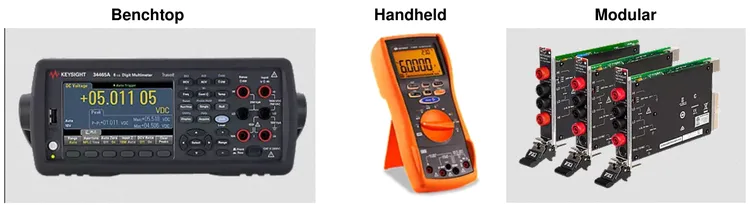
In the world of electronics, electrical engineering, and industrial automation, precision is not just a preference it is a safety and quality mandate. Whether you are troubleshooting a complex printed circuit board or testing high-voltage industrial panels, you rely on specialized diagnostic tools. Among these, the most universal device is the multimeter.
However, a measurement tool is only as good as its accuracy. Over time, environmental stress and component aging cause even the finest instruments to drift.
This comprehensive guide answers the fundamental question: what is a multimeter? Additionally, we will explore why routine multimeter calibration is the only way to safeguard your facility from catastrophic electrical measurement errors.
A multimeter, also known as a volt-ohm meter (VOM), is a handheld or benchtop electronic diagnostic instrument used to measure multiple electrical properties. Instead of requiring separate tools for every electrical parameter, a technician uses a multimeter to perform several core testing functions in one single package.
Modern digital multimeters (DMMs) also include advanced capabilities. These allow engineers to test capacitance, frequency, temperature (via thermocouples), diode health, and circuit continuity.
Maintaining this broad multi-functional capability requires strict quality controls, which are universally validated through international frameworks. You can read more about how these validation systems operate in our comprehensive guide covering what is accreditation.
While early electrical technicians used analog multimeters with moving needles, modern industrial facilities rely almost exclusively on Digital Multimeters (DMMs).
Digital multimeters convert analog electrical signals into micro-voltages, analyze the data using an internal analog-to-digital converter (ADC), and display the precise value on a digital LCD screen. This modern process eliminates human parallax error and provides exceptional resolution, often measured in counts or digits (e.g., a 4.5-digit display).
However, this high digital resolution can give technicians a false sense of security. Just because a digital display shows a precise number like 12.003 Volts does not mean that number is accurate.
Understanding how to verify these reported numbers on official paperwork is essential. You can study our detailed breakdown on how to read a calibration certificate to learn how to catch hidden display offsets.
Every electronic instrument experiences drift. The internal voltage references, precision shunts, and operational amplifiers inside a multimeter degrade over time due to temperature shifts, mechanical shock, humidity, and component aging.
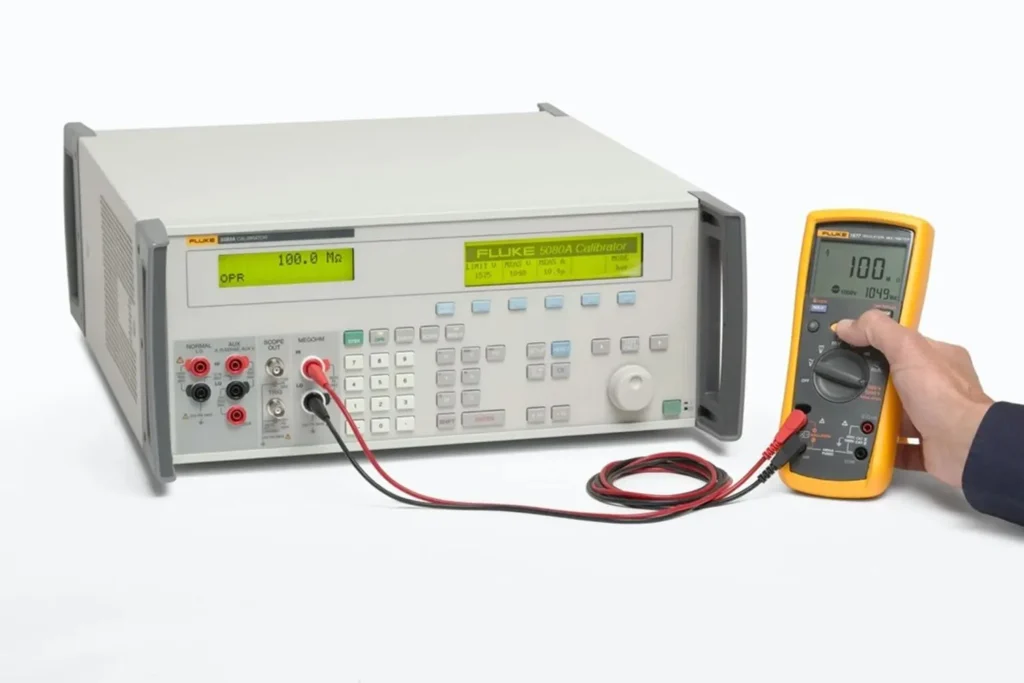
Multimeter calibration is the technical process of comparing the instrument’s readings against a known, highly precise primary calibration standard to detect and document these variations.
A professional metrology laboratory does not simply test one or two points on a multimeter. A complete calibration involves a multi-step engineering procedure performed under highly controlled laboratory conditions.
Before testing begins, the multimeter is placed in an environmentally controlled room to stabilize. Temperature and relative humidity must be kept within strict tolerances to prevent ambient thermal changes from distorting the electrical resistance and voltage readings.
Metrology engineers connect the multimeter to an ultra-precise multi-product calibrator. This reference standard generates known electrical values across multiple ranges:
This entire multi-point process must be executed under a legally recognized framework. Choosing a facility backed by an official ISO/IEC 17025 Accreditation guarantees that the laboratory’s master calibrators possess the strict technical traceability needed for global compliance.
How often should a multimeter be calibrated? There is no single answer, as calibration frequencies depend on usage, environmental exposure, and internal quality policies. However, industry best practices suggest following these guidelines:
To explore deeper strategies regarding historical drift analysis and how to optimize your testing cycles, make sure to read the engineering insights published on our technical Calibration Blog.
Understanding what is a multimeter and prioritizing regular multimeter calibration is foundational to electrical safety, manufacturing precision, and strict audit readiness. By transforming raw electrical signals into verified, traceable data points, you protect your staff, your components, and your brand reputation.
Do you have digital, analog, or benchtop multimeters that require accredited metrological testing? Review our complete electrical testing capabilities on our comprehensive Calibration Services page, or reach out to our engineering support specialists today via our official Contact Page to arrange a traceable calibration run.